Deanery
Deaneries – a history
Deaneries (originally, rural deaneries) are designated groups of parishes within an archdeaconry who work in partnership with each other to celebrate and to share the Good News of Jesus Christ with the people entrusted to their care. In the middle of the nineteenth century, a deanery was a creature of statute. Nowadays, a deanery may only be created, altered or dissolved by a pastoral scheme under section 33 of the Mission and Pastoral Measure 2011.
Initially, the focus of a ‘deanery’ was the rural dean. Their existence is noted as early as the reign of Edward the Confessor to have inspection of the behaviour of clergy and people and to convene rural chapters. The office declined and disappeared with the emergence of archdeacons. The office was restored by the Bishop of Norwich in 1837 to encourage lax clergy, and the institution quickly spread.
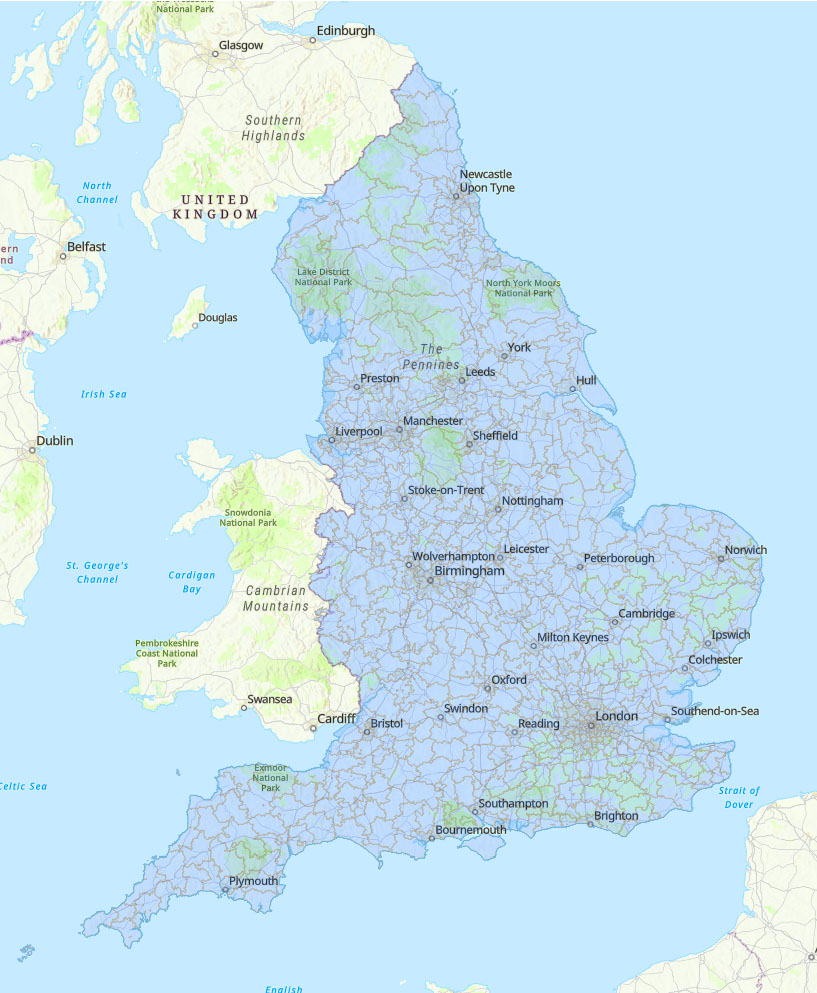
The church of England is divided into 42 dioceses, and Lichfield Diocese is divided into 29 deaneries. The Eccleshall Deanery is divided into 5 benefices:
- Adbaston, High Offley, Knightley, Norbury, Woodseaves, Gnosall and Moreton
- Ashley and Mucklestone, and Broughton and Croxton
- Chapel Chorlton, Maer and Whitmore
- Chebsey, Cresswell, Ellenhall, Ranton and Seighford
- Eccleshall and Slindon.
Posts within the Deanery
- Stephen Habgood – Permission to officiate
- Vacancy – Rural Dean
For Deanery matters, please contact our lay-chair, Jonathan Jones, by email: churchwardeneccleshall@gmail.com